
The Norwegian Catastrophe
The SwarmThe hydrate-worm crisis develops from a scientific anomaly into a slope failure, tsunami, and humanitarian disaster.
increasing Bearing strength in each event
 decreasing
Bearing strength in each eventdecreasingHydrate-Bound Worms
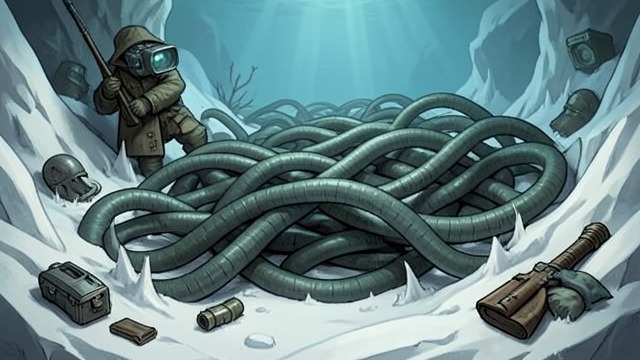
A New Organism
The seabed is transformed
Millions of unusual worms occupy methane hydrate deposits where earlier surveys found no such colonies.
Their presence raises questions about the stability of the slope.
Bacteria Move Into the Ice
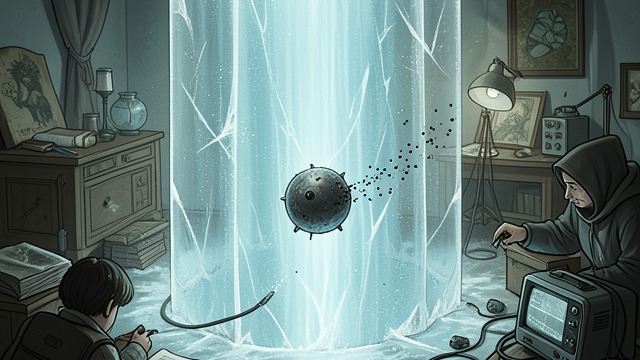
A Hidden Mechanism
Symbiosis becomes a hazard
Scientists find that worms transport bacteria into hydrates, where the microbes can dissolve the ice from within.
A small organism becomes part of a much larger destabilizing process.
Methane Plumes Rise

The Warning Becomes Measurable
A change in the water column
Research vessels record unusually high methane levels along the slope.
The readings confirm that the danger extends beyond a single worm colony.
The Storegga Slide Begins
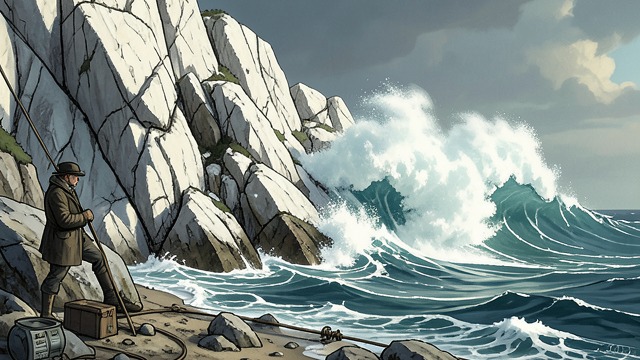
A Slope in Motion
The seabed collapses
Hydrate layers crack and release methane, triggering an enormous landslide across the Norwegian margin.
The shifting seabed overturns industrial structures and generates a tsunami.
Northern Europe Is Flooded

The Coast Is Overwhelmed
Wave and retreat
Tsunami waves destroy coastal settlements and overwhelm the North Sea industry, followed by a destructive retreat.
The event leaves millions dead, displaced, or cut off from aid.
March, on the Norwegian continental slope
April, in the GEOMAR simulation
late April, during the joint survey
late April, at the failed prototype site
the hours after the slide
